Three Days in Argyll: The Quiet Coast Route That Never Made the Poster
Photo: Dietmar Rabich, CC BY-SA 4.0, via Wikimedia Commons
The North Coast 500 did exactly what it was designed to do, and then a bit too much of it. By 2026 the north-west coast in July is a conveyor belt of motorhomes, and villages along the route have spent a decade learning to manage the volume. Argyll, an hour or so west of Glasgow, offers the same ingredients — single-track roads, sea lochs, short ferry hops, seafood, silence — with a fraction of the company. What follows is a three-day loop through the peninsulas south of Oban, built to be driven slowly and booked small.
Day one: Oban, Seil and the road to Kilmartin
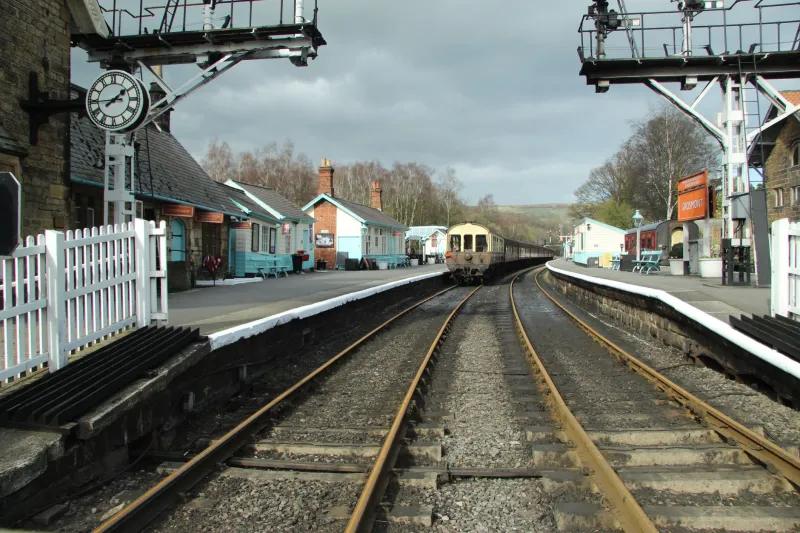
Start with the train rather than the car. ScotRail's Oban service from Glasgow Queen Street takes about three and a half hours, and the final stretch past Loch Awe is worth fighting for a window seat. Pick up a hire car in Oban, fill the tank, buy food, and treat the town as your last proper shop for three days.
Head north over Connel Bridge, then take the B845 down the side of Loch Etive towards Taynuilt and Bonawe — a road of passing places, oak woods and sudden water. Double back to the A816 and turn off at Kilninver for the B844, which crosses Clachan Bridge, the little humpbacked 'bridge over the Atlantic', onto the Isle of Seil. Easdale, beyond it, is a slate island with a handful of white houses, a very small passenger ferry and one bar. It is the sort of place that rewards an hour of doing nothing.
Carry on south to Kilmartin and spend the evening in the glen, which holds one of the densest concentrations of prehistoric monuments in Britain: cairns, standing stones, a linear cemetery running down the valley floor. The village museum explains it properly, though opening days are limited outside summer, so check before you build the day around it.
Day two: Crinan, Ardfern and the Tayvallich road
A short drive west brings you to Crinan, where the canal meets the sea at a handsome little basin of locks, whitewashed cottages and boats that look permanently retired. Walk a mile or two of the towpath, then eat seafood at the hotel if you have booked, or buy something from a smokehouse and sit on the wall instead.
From Crinan, the B841 runs down to Ardfern, a village strung along a sheltered inlet with a marina, a village inn and a general sense of having nothing to prove. Then it's back to Lochgilphead — fuel, a co-op, a chandlery — before the B8025 threads south to Tayvallich on Loch Sween. Take the detour to Castle Sween if time allows; it is one of the oldest stone castles in Scotland and sits in a field with sheep for company and almost nobody else around.
Sleep in Tayvallich or Ardfern. Book direct with a small hotel or guesthouse rather than through a platform; two-night minimums are common in summer.
Day three: Tarbert, the ferry and Cowal
Head back to Lochgilphead and join the A83 south to Tarbert, where the harbour, the castle and the seafood shack do a convincing impression of a postcard, and where you can pick up the CalMac ferry across to Portavadie. It is a short crossing — around 25 minutes — and it turns a long drive into a small adventure.
Cowal is the part of Argyll most drivers skip, which is precisely the argument for going. Portavadie has a marina and a pool; Tighnabruaich has a shingle shore and a hall that shows films; the single-track road round to Ostel Bay ends in a beach that could hold its own anywhere in the Hebrides. Finish at Dunoon, then either take the Western Ferries crossing to Gourock — turn up and go, no booking — and catch a train back to Glasgow Central, or drive north over the Rest and Be Thankful and back to Oban.
Passing places, parking and other etiquette
Single-track roads are not difficult, but they are a system, and the system only works if everyone plays. Pull into passing places on the left, don't use them as picnic stops or phone-check laybys, and give priority to vehicles coming uphill. If someone behind you is clearly quicker, let them past; if a local in a pickup appears in your mirror, let them past twice.
Park in villages, not in passing places, not at field gates, and never in front of someone's house. Car parks at Crinan basin, Kilmartin and Tayvallich are small and stay small; if there is no space, drive on rather than improvising. Deer move at dusk and sheep move whenever they feel like it, and the camber on these roads hides both.
Fuel up at Oban, Lochgilphead, Tarbert and Dunoon. Rural pumps can be unmanned, card-only, or shut on Sundays, and the gauge in a hire car is not a plan.
Ferries, trains and the 2026 picture
Book the Tarbert to Portavadie crossing in advance in summer; CalMac's fleet has been through a period of change and sailings can be altered at short notice, so check the status the night before and build slack into the day. Western Ferries on the Dunoon to Gourock route is the relaxed alternative — frequent, no booking, pay at the pier.
On the rail side, the Oban line is the sensible way in at the start of the trip, and Gourock has frequent trains to Glasgow Central at the end. Bikes go free on most ScotRail services but need a reservation on some, so check.
One last thing, and it matters more than any of the above: don't turn quiet corners into honeypots. If a beach car park holds eight cars, it holds eight. If a village has one pub and one road, it doesn't need a geotagged post with exact coordinates. Argyll is quiet because people haven't found it in numbers yet. Drive it gently, spend in the villages, and leave it that way.