Dial-a-Chapter: Six Red Phone Boxes That Reward a Short Walk
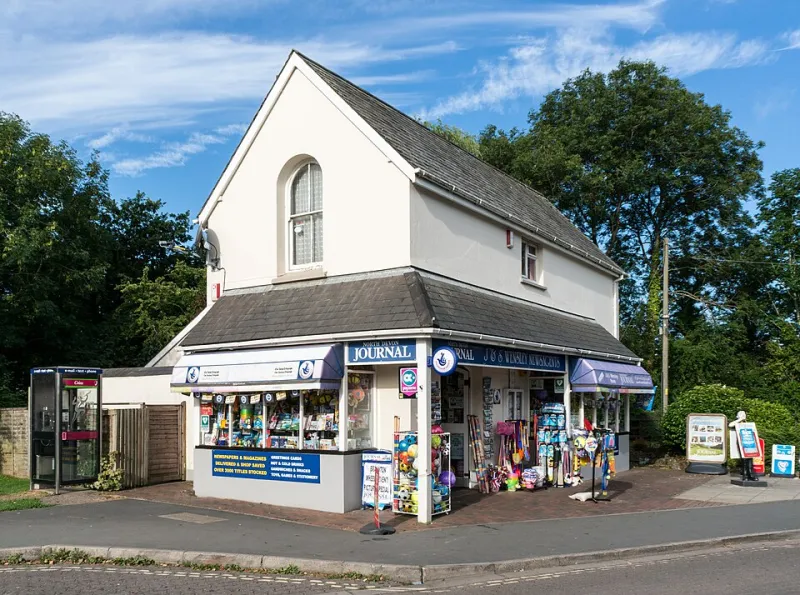
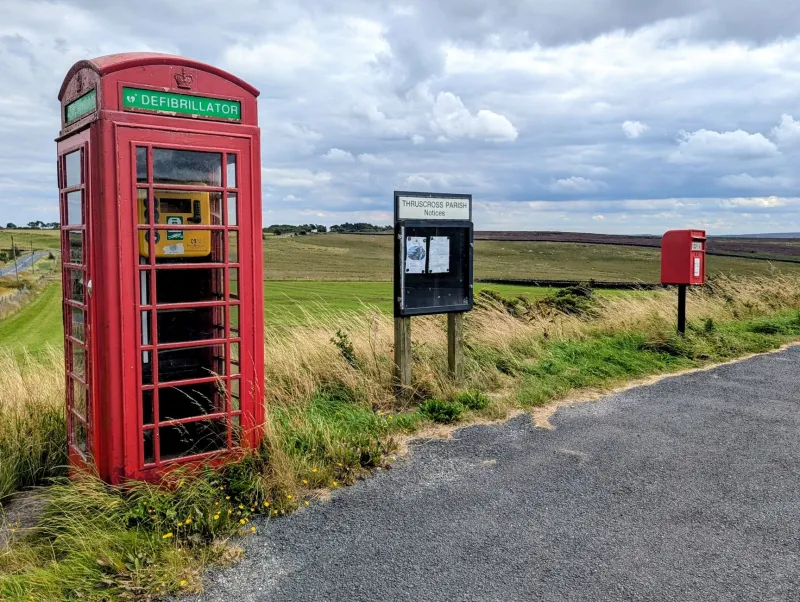
A red phone box with a shelf of paperbacks is not a museum piece; it is a tiny civic rescue. These six village boxes turn a short walk into a proper day out, by rail or by car.
Hidden corners, quiet routes, real Britain
A red phone box with a shelf of paperbacks is not a museum piece; it is a tiny civic rescue. These six village boxes turn a short walk into a proper day out, by rail or by car.

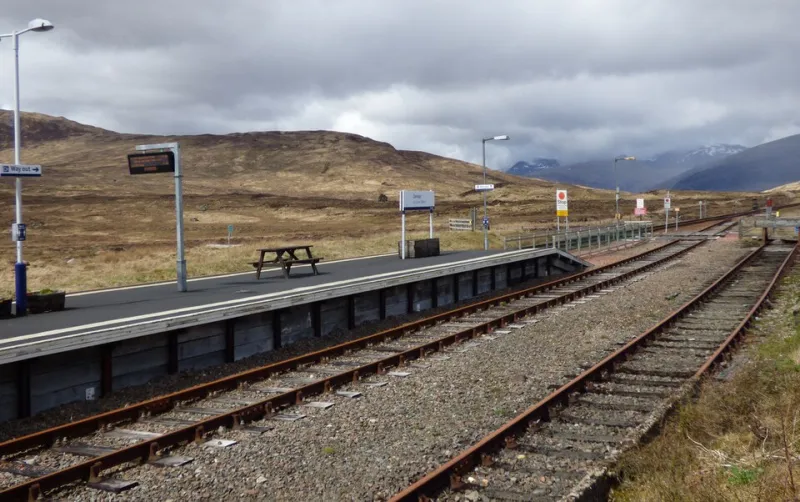
Britain still has railway stations where the train will sail past unless you signal or speak up. These six request stops turn a timetable quirk into a proper day out, with a walk, a tea room or a pub at the end of the platform.
Six towns where the train drops you minutes from a complete historic circuit — and the walk takes less time than you'd think. The trick isn't the history, it's the pacing: which stretches to save for when the crowds have gone and which exit point gets you to a teapot fastest.
Arriving by train turns a hill walk into something quieter: no car park, no windscreen, no shuffle for a space. These six stations put a waymarked path, a viewpoint or a hillfort within minutes of the platform — and all make a proper half-day out without a car.
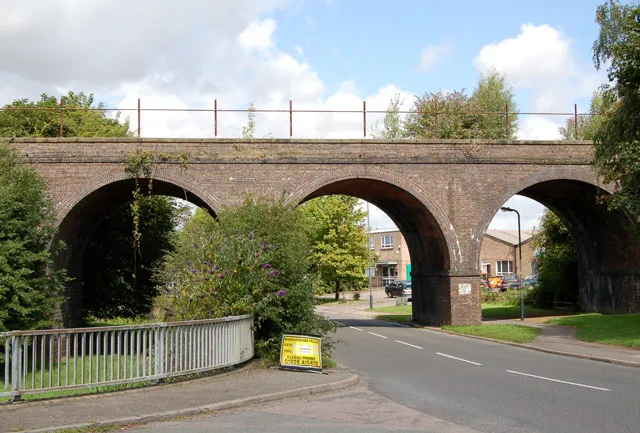
Britain's closed railways never quite disappeared: they became flat, direct footpaths with viaducts, tunnels and the odd station building still standing. Five lost lines worth a day out, with practical notes on reaching each by car or by the trains that still run.
Britain's canals were built for cargo and killed off by the railways — which now deliver you neatly to their banks. Six stations where you can step off the train, turn left, and be on a towpath within minutes, with honest notes on which stretches are worth the walk and which are just mud.
Some of Britain's best rural bus routes are timed not around commuters but around a handful of trains a day — and that quiet bit of coordination is what makes a car-free day out genuinely possible. Here are six connections worth planning around, plus how to check them, which tickets actually work, and what happens when you miss the last one.
Some pubs are destinations in their own right, but the best ones are often the only thing at the end of the lane. Here are six remote inns where the welcome is warm, the beer is ordinary in the best way, and the journey is half the point.
Motorway services are for urgency. Old garage cafés, transport caffs and forecourt huts on quiet A-roads are for actual breakfasts, proper parking and a reason to leave earlier than you need to. Here are six stops worth building a drive around, with opening-hours and rail-link notes.
Converted station houses, signal boxes and goods sheds offer a very particular kind of railway weekend: arrive by train, watch the last service leave, and let the platform go quiet. Here are five old station buildings to build a car-free break around, plus booking and access notes.
The more precisely we map quiet Britain, the faster it stops being quiet. An argument for a vaguer, more responsible kind of discovery writing in 2026 — and a practical code for anyone who writes, posts or shares the places they love.
Some ferries are infrastructure; a handful are the entire reason you got in the car. Five small vehicle crossings where the water is the destination, with a loop, a walk and a pub at either end — plus the tolls, tides and timetables that catch people out.
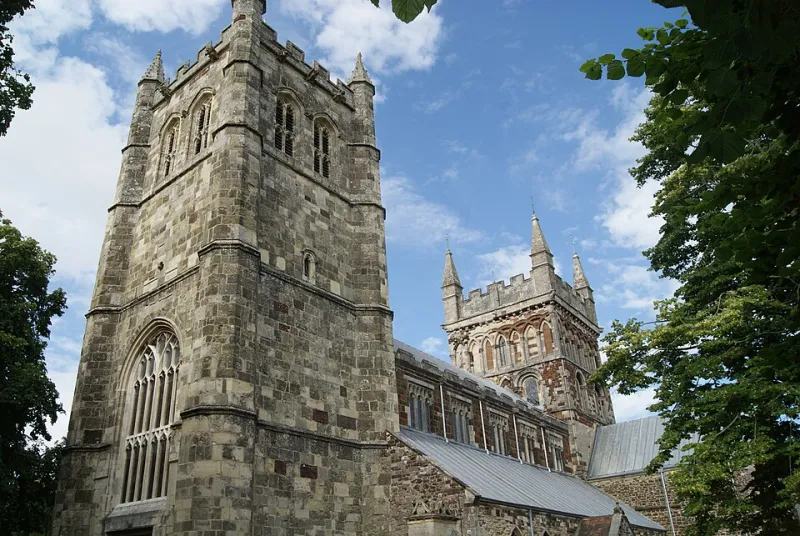
York, Canterbury and Salisbury are wonderful, but they are not the whole story. These six lesser-visited minsters, abbeys and cathedral closes are easy to reach by train, with short walks, local cafes and streets that feel like themselves.
Some of Britain's best short drives end at a gate, a tiny car park or a sign saying no through road. These five dead-end lanes lead to quiet beaches, lost churches, hilltop views and a harbour worth the slow turnaround.
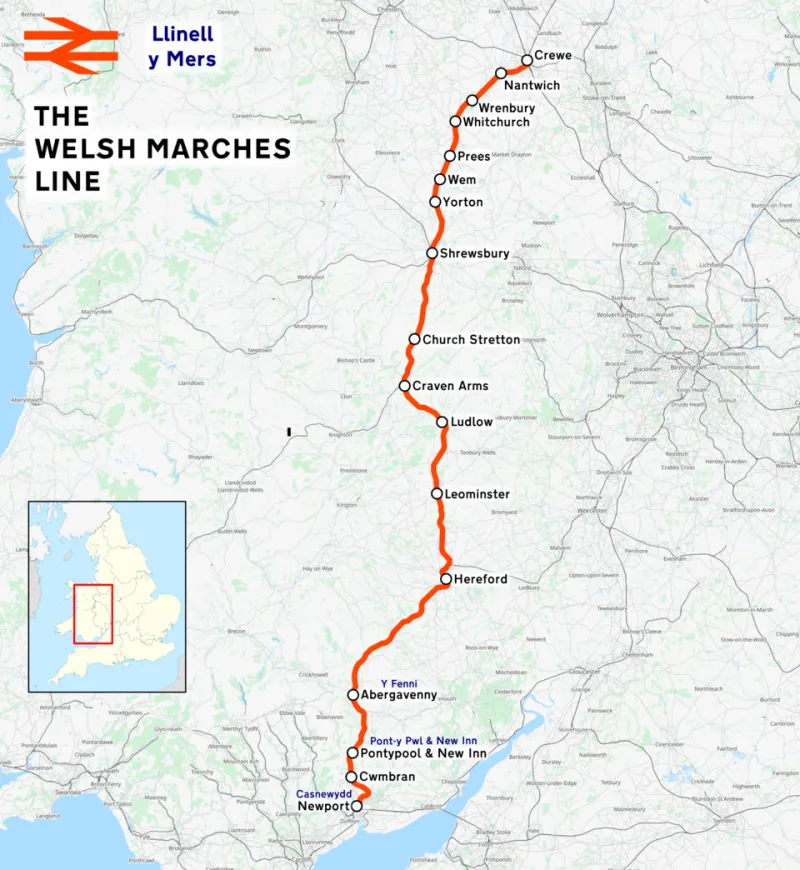
The Welsh Marches line is the quiet alternative to the big intercity routes: a slow thread from Shrewsbury to Newport through Ludlow, Hereford and Abergavenny. This is how to turn it into a car-free weekend of castles, cider country and empty footpaths.
You do not need a ferry fare or a car to reach some of Britain's strangest coastal places. These five tidal islands are within reach of a train, a bus and a pair of decent boots, provided you check the tide before you go.
Motorways are excellent at making sure you never accidentally see anything interesting. These five old A-road stretches run in the shadow of a motorway but still pass through proper market towns, roadside cafés and quiet countryside. Drive them slowly, stop for lunch and use the train for the return leg where you can.
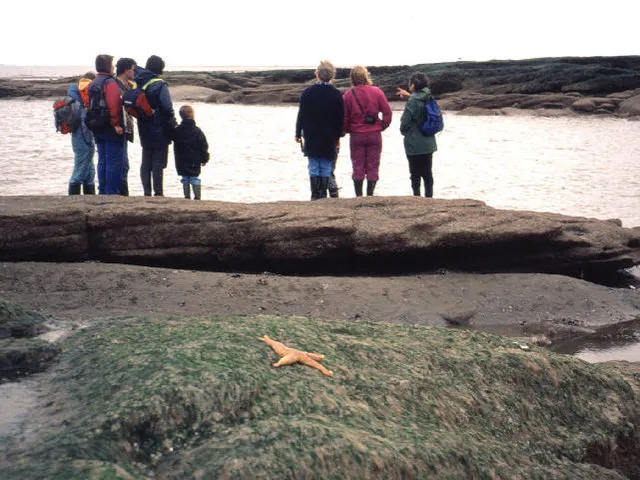
A quiet station, a low-tide window and a short walk can add up to a full coastal day out without a car. These three rail-and-foot days use the timetable as the plan, from Northumberland to Carmarthenshire. Check the tide table, buy a flexible ticket and let the train do the boring bit.
Single-track roads, small ferries and sea lochs the colour of slate: Argyll delivers everything the far north promises, with a fraction of the traffic. A three-day loop through the peninsulas south of Oban, plus the driving notes nobody puts in the brochure.
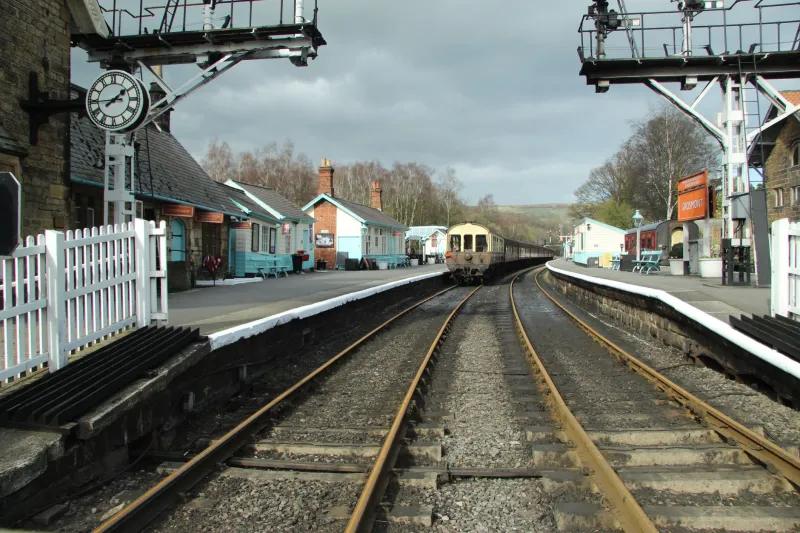
Short trains, long platforms and two hours to fill between departures: that is the rhythm of a proper rural branch line. Six stations where the walk starts at the platform and ends at a pub, with no car keys involved.