The Lane Just Stops: Five Dead Ends With a Proper Reward
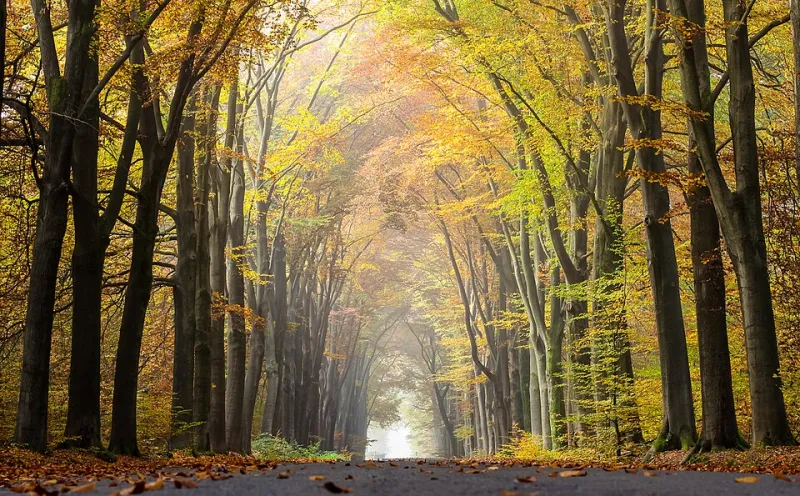
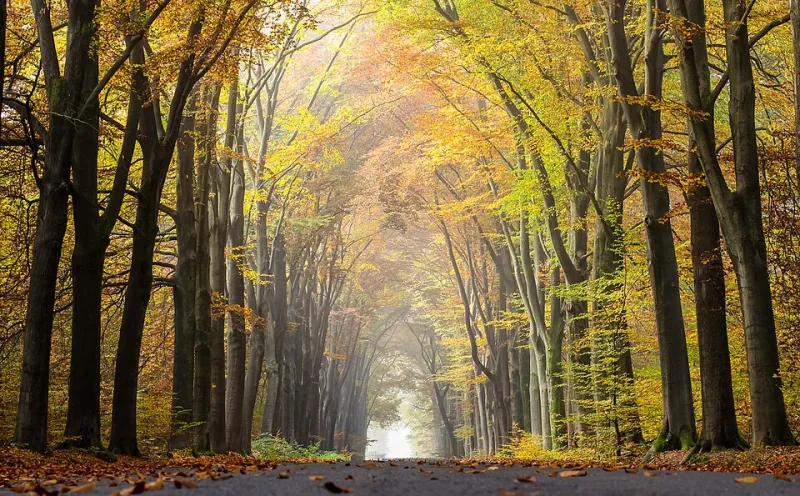
Photo: Dietmar Rabich, CC BY-SA 4.0, via Wikimedia Commons
There is a certain kind of British road trip that has nothing to do with covering distance. You leave a B-road, follow a single-track lane between hedges, breathe in at a passing place, and then the tarmac simply stops. Maybe there is a gate, a car park the size of a tennis court, or a sign that says no through road. That is the whole idea. These five dead ends are short by design. Drive them slowly, park as though you are a guest rather than a conqueror, and let the turnaround be the reward.
The rules of the dead-end drive
On single-track lanes, use passing places properly: pull in on your left, let the other car through, and never park in one. If there are no marked bays, do not block gates, field entrances, turning areas or the lane itself. If in doubt, park further back and walk the last few hundred yards. Coastal lanes can flood, and winter weather brings ice, fallen branches and early dusk. Check tide tables before setting out, carry a torch, and have a backup plan that does not involve reversing half a mile in the dark. Where a rail station or bus stop is within reach, use it: the best dead ends are the ones you can leave the car behind for.
1. Cwm Tydu, Ceredigion
The lane down to Cwm Tydu ends at a small car park behind a shingle cove, with a stream running through it and a cliff path heading north. It is not a secret, exactly, but it is quiet enough on a grey November morning to feel like one. The beach is pebbly, the swimming is for the brave, and the tide comes in quickly against the rocks. Check the tide before you walk far along the shore.
Parking is limited and the lane is narrow, so arrive early or late and never leave a car on the verge. The nearest rail station is Aberystwyth, from where seasonal buses run down the coast; outside summer, a taxi or a bike is the practical link. There is no cafe on the beach, so bring a flask and take your rubbish home.
2. Porth Iago, Llŷn Peninsula
A farm track drops to a tiny car park above Porth Iago, a beach that looks almost staged: pale sand, turquoise water, a low headland. The lane is single-track with high banks, and the final approach is steep. Pay for parking where instructed, keep to the marked path, and do not treat the farm entrance as a turning circle.
This is a fair-weather dead end. The tide can cut off the beach at the northern end, and the exposure makes a windy day feel wilder than the forecast suggests. Buses along the Llŷn coast are sparse and seasonal; Pwllheli is the rail head, then a bus or taxi. Combine it with a stop in Aberdaron for a cafe and a look at the church, and you have a proper slow day.
3. St Govan's Chapel, Pembrokeshire
The lane to St Govan's Head finishes at a car park, beyond which a set of stone steps drops to a tiny chapel wedged into the cliff. It is one of the strangest, most affecting places in Britain: a lost church that seems to have grown out of the rock. The lane is narrow, and the car park is small. Do not park on the approach road.
Check military range opening times before you go, as access can be closed. The steps are steep and can be slippery; this is not a place for flip-flops. Rail to Pembroke, then a bus or taxi, is possible but requires planning. The nearest cafe is a drive away, so treat the chapel as the main event and pack water.
4. Cove Harbour, Scottish Borders
The dead-end lane down to Cove Harbour ends at a row of white cottages, a stone jetty and a handful of boats. It is a tiny, enclosed world, and the approach is steep enough to make you wonder about the handbrake. Parking is extremely limited. Do not drive onto the harbour or block the cottages.
The harbour is tidal and exposed; check weather and tide before walking the shore. Dunbar is the nearest rail station, with a bus or taxi for the last stretch. There is no cafe at the harbour, but Dunbar has plenty. This is a place for a short visit, a thermos and a bit of quiet.
5. Brentor, Dartmoor
The no-through lane to Brentor ends at a small parking area below the church of St Michael de Rupe, which sits on a cone of rock above the moor. The walk up is short and steep, and the view is enormous. This is a hilltop dead end in the best sense: you drive a narrow lane, park, and then earn the last bit on foot.
The lane is single-track with blind bends, and parking is limited. Do not park in the village or block field gates. The nearest rail station is Plymouth, then a bus towards Tavistock and a taxi for the final miles; it is not a car-free day out without planning. Weather changes fast on Dartmoor, so take a waterproof even if the morning is clear.
The art of turning around
A dead-end drive works best when you resist the urge to fill it. One lane, one short walk, one flask. Leave the engine off for ten minutes. Let the place be the destination rather than the start of a longer route. And when you turn the car around, do it slowly, in a proper space, with a wave of thanks to whoever waited. That is the whole etiquette of the British dead end.