Let the Tide Clock Your Train: Three Coastal Days Without a Car
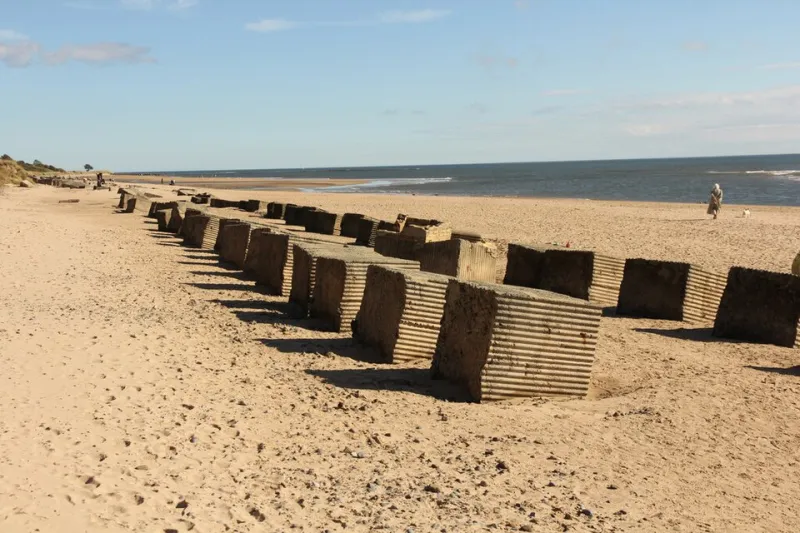
Photo: Richard Croft , CC BY-SA 2.0, via Wikimedia Commons
The best coastal days out are not planned by a spreadsheet. They are planned by a timetable and a tide table. You arrive on a quiet train, walk to the sea, eat lunch while the water is doing something interesting, and catch a later train home. No parking, no U-turn, no argument about whether the car park machine takes coins. These three days work because the station is close to the coast, the walk is short and the return trains are frequent enough to forgive a slow lunch.
How to use the tide table without becoming a tide bore
Look up the low tide for the day on the Admiralty EasyTide website or a local tide table. Aim to be on the beach within two hours either side of low water. That is the window when sandbanks, rock pools and estuary paths are most visible. Do not walk out across estuary sand just because it looks firm; tides come in faster than you think and the channels shift.
Check the weather as well as the tide. A low tide with a strong onshore wind is not a beach day. A high tide with sunshine can still be lovely if the walk is a cliff path or a promenade. The point is to use the tide as a rough clock, not a military operation.
1. Alnmouth, Northumberland
Alnmouth station sits on the East Coast Main Line, which makes it feel absurdly grand for a village of a few streets. Trains from Newcastle, Edinburgh and Berwick stop here. The station is about a mile from the village and the beach, so it is a proper short walk rather than a station-side stroll.
The day: Arrive mid-morning, walk into Alnmouth, then follow the path to the beach. At low tide, Alnmouth Bay opens up into a wide sweep of sand, with the Aln estuary on one side and the sea on the other. The walk along the shore towards Alnmouth Point is the main event. Keep an eye on the tide; the estuary fills quickly.
Lunch: A pub or café in Alnmouth village. The village is small enough that you can look at two or three menus and pick the one with the most local fish. Leave time for a pint if the return train is not for an hour.
Return: Northern, LNER and CrossCountry services run through Alnmouth, but not all stop. Check the last practical train back before you commit to a long beach walk. An off-peak return from Newcastle or Berwick is usually simple; a Railcard makes it cheaper.
Wet weather: Take the bus to Alnwick for the castle and gardens, or stay on the train to Berwick and walk the walls. Alnmouth in drizzle is still a decent pub lunch.
2. Arnside, Cumbria
Arnside is on the Furness Line between Lancaster and Barrow-in-Furness. The station is in the village, which means you can step off the train and be at the promenade in minutes. The Kent Estuary does the dramatic bit: at low tide, the sands appear; at high tide, the water comes back with intent.
The day: Walk from the station to Arnside Pier and along the shore. The low-tide window reveals sandbanks and channels, but do not try to cross the estuary on foot. The famous across-the-sands routes are for guided groups and local knowledge, not a casual day out. Instead, enjoy the view towards the Lake District fells and the railway viaduct.
Lunch: A pub or café near the promenade. Arnside is small, so book if you are coming at a weekend. The fish and chips are a reliable choice.
Return: Northern runs regular trains back towards Lancaster and Preston. An off-peak day return from Lancaster is good value, and the journey itself is short enough that you do not need to plan every minute. Check the last train before you settle into a second coffee.
Wet weather: Walk up Arnside Knott for views if the cloud lifts, or take the train to Grange-over-Sands for a covered promenade and a café. The Furness Line is scenic even in rain.
3. Ferryside, Carmarthenshire
Ferryside station is on the Transport for Wales line between Swansea and Carmarthen. The station is right by the village and a short walk from the beach. It is one of those places where the train feels like it is running through a garden.
The day: Walk from the station to the foreshore and along the beach towards the Tywi estuary. At low tide, the sand stretches out and the views across to Llansteffan are excellent. The tide here is not a joke; the estuary empties and fills quickly. Check the table before you walk far.
Lunch: A village pub or café in Ferryside. The choice is small, which is part of the appeal. If you want more options, take the train one stop to Carmarthen and eat there.
Return: Transport for Wales runs regular services between Swansea and Carmarthen. An off-peak return is flexible enough for a beach day, and a Railcard discount applies. Check the timetable for the last direct train back; some services are less frequent on Sundays.
Wet weather: Take the train to Carmarthen for the market and castle, or to Kidwelly for the castle. Ferryside in the rain is still a good excuse for a pub lunch and a short walk.
Ticket tips for tide-led days
Do not buy a fixed Advance ticket unless you are certain of your train. Tide and weather can shift your plans by an hour, and a flexible off-peak return is usually worth the extra few pounds. In 2026, operator apps and National Rail will show the cheapest flexible fare, but split ticketing can still help on longer routes.
Railcards are worth checking even if you are only doing one or two of these days. A Two Together or Family Railcard can pay for itself quickly if you are travelling with someone else. And always check whether a return is cheaper than two singles; it often is on these coastal lines.
Finally, treat the timetable as part of the day out. A train that leaves at a slightly awkward time gives you permission to sit on a sea wall and do nothing. That is not a wasted hour. That is the plan working.