The Platform After the Last Train: Five Station Stays for a Car-Free Weekend
Photo: Dietmar Rabich, CC BY-SA 4.0, via Wikimedia Commons
Platforms are strange places once the last train has gone. The timetable board still glows, the speakers click, and then nothing. A station stay leans into that oddness. You are not in a hotel with a train set in reception; you are sleeping beside the line, in a building that once sold tickets, handled parcels or sheltered a signalman. The appeal is not luxury. It is arrival, quiet, and the small drama of the first train back in the morning.
Why a station stay works
A good station stay removes the car from the weekend. You arrive with a bag, walk a few steps to the door, and the day already has a shape. The trick is to treat the railway as the spine of the break, not as decoration. Check the last service before you book dinner. Ask where the key safe is. Find out whether the platform is lit all night, whether the crossing bells ring, and whether the nearest shop is a ten-minute walk or a taxi ride.
These are not places to expect room service. They are places to expect earplugs, a torch, a kettle, and a copy of the timetable left by someone who understands why you came.
Five to build a weekend around
1. Duirinish, Kyle line
A request-stop halt on the line to Kyle of Lochalsh, Duirinish is the sort of station where the train slows only if someone has told the guard. The old station house atmosphere is the point: hills, a narrow platform, and a sense of having stepped off the world for a night. Book direct where possible, confirm the request-stop procedure, and plan food before you arrive. Kyle and Plockton are within reach by train or a short taxi, but the last connection matters. This is a car-free stay for people who like a bit of planning with their silence.
2. The old station at Petworth, West Sussex
Petworth’s station no longer sees mainline trains, which makes it a useful alternative for anyone coming from outside the branch-line map. The converted station building keeps the platform as part of the stay, and the town is close enough for a weekend of pubs, bookshops and muddy walks. Arrive by rail to Pulborough and bus onward if you want to keep the car at home; drive if you must, but then leave the car parked. It is the sensible car-friendly option in this list, and it still feels like a station rather than a cottage with a railway theme.
3. A Fenland signal box near Downham Market
Signal-box stays are not for everyone. The stairs are steep, the rooms can be compact, and the line is still working. That is also the appeal. You are close to the crossing, the signals and the freight that runs after dark. Ask about parking, platform access and whether the box is beside a level crossing with bells. Bring food; Fenland villages can be quiet in the evening. A taxi from Downham Market station covers the last mile, and the walk to the pub should be checked before you rely on it.
4. The goods shed at Cranmore, East Somerset
The East Somerset Railway is a heritage line, so this is a station stay with a preserved-railway rhythm rather than a mainline one. A goods shed conversion gives you stone walls, high roofs and a platform that is busy at weekends and deeply quiet on a Tuesday. Check running days before you book if you want trains; check them even if you don’t, because they affect the café and the car park. For a car-free version, take the train to Frome and a taxi or bus onward, but accept that this one is easier with four wheels.
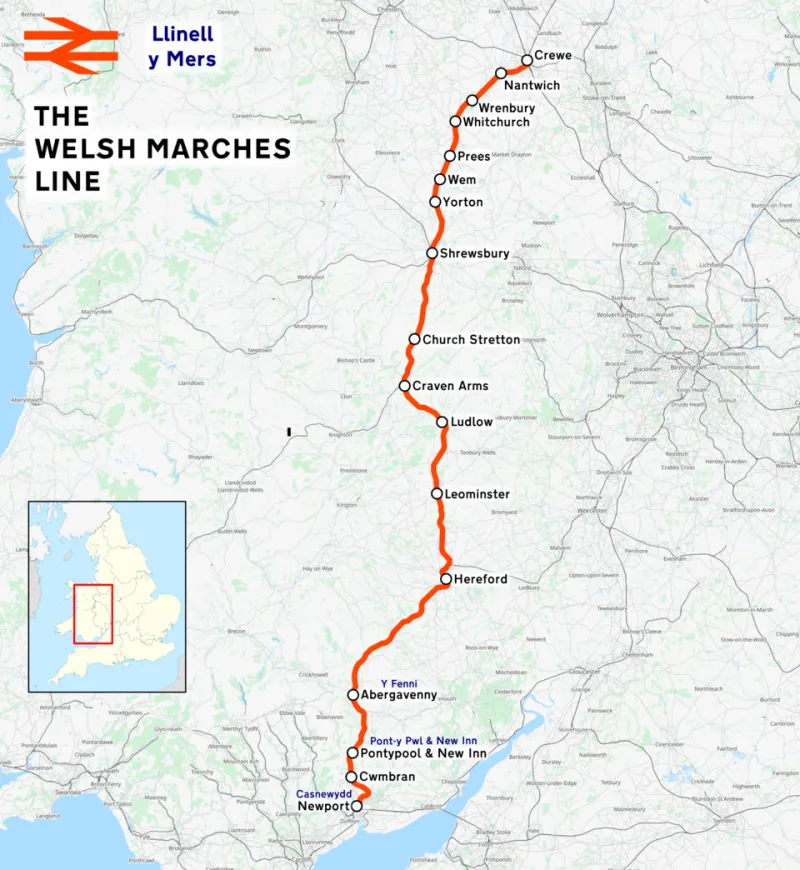
5. A halt cottage on the Heart of Wales line
Stations such as Llangynllo are request stops on a line that feels deliberately unhurried. A stay in an old halt building here is about small walks, a flask, and the pleasure of watching a two-car train appear between hedges. The nearest town is not next door. Bring breakfast, check the request-stop rule, and ask the owner about taxis from Knighton or Llandrindod. Mobile signal can be patchy. That is not a fault; it is part of the booking.
Booking advice that actually helps
Book direct if you can. Ask three questions before you pay: how do I get in if my train is late, what is the last train back, and where is the nearest food shop? Check whether the platform is private or shared with passengers. Look at access photos if you have mobility needs; old station buildings are often lovely and awkward in equal measure. And do not book a remote halt for a Sunday night unless you have checked Monday’s first train.
If the branch line no longer reaches you
Use a former station outside the network as your base, then let trains do the day trips. Petworth is the obvious example: drive, park, and use bus and rail for the rest of the weekend. The point is not to be purist. The point is to let the platform set the pace.
The last train goes. The platform stays. That is the whole idea.