Low Tide, No Car: Five Tidal Islands on the Railway Map
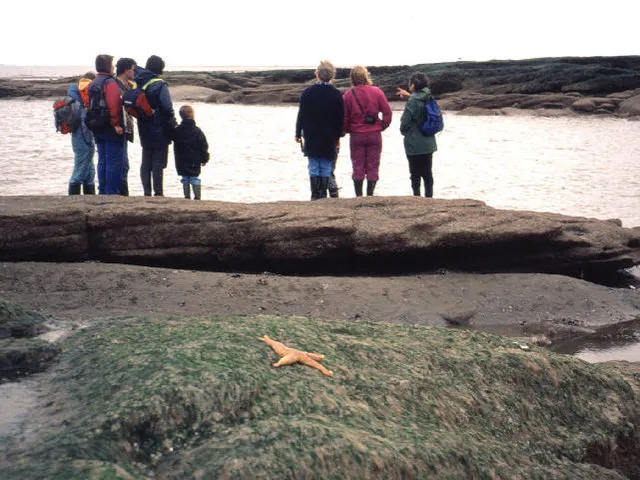
Photo: Peter Craine, CC BY-SA 2.0, via Wikimedia Commons
Tidal islands are Britain at its most mischievous. For a few hours the sea steps back, a causeway appears, and a place that looked unreachable becomes a walk. The catch is obvious: the sea always comes back. The reward is a coastal adventure that costs a train fare rather than a ferry booking.
These five are not the famous postcard islands. They are the sort of places you reach by branch line, local bus and a footpath that smells of mud and salt. Check tide tables for the day you travel, not the day you plan. Tell someone where you are going. And never treat a low-tide window as a full afternoon.
1. Hilbre Island, Wirral
Train: Merseyrail to West Kirby. Walk: From the station, head through town and out towards the Dee estuary. The route to Hilbre crosses sand and rock, and it is not a casual beach stroll. Tide: Go at low water and leave yourself a generous margin. Do not cross from Hoylake; the safe approach is from West Kirby. The tide can cut the route quickly, and the island has no shelter worth relying on.
Hilbre is a strange, exposed place: low sandstone, birdlife, and views back to the Wirral that make the mainland look like a stage set. Take binoculars if you have them. Pub: West Kirby has plenty of options near the station for a post-walk pint or fish and chips. This is a good winter walk as long as you are properly dressed; in summer it is busy but still feels like a secret.
2. Cramond Island, Edinburgh
Train: Edinburgh Waverley, then a Lothian bus towards Cramond. Walk: The causeway is exposed at low tide, and the crossing is short enough to feel tempting. That is exactly why people get caught out. Tide: Check the local tide table and give yourself at least an hour either side of low water. The island is small, but the causeway is not a place to linger when the sea is turning.
Cramond feels like a piece of the coast that has slipped into the city. The village is pleasant, the walk along the Almond is easy, and the island itself has the ruined remains of wartime defences. Pub: The Cramond Inn is the obvious stop, though it is worth booking if you are eating. This is a good half-day trip from central Edinburgh, not a full expedition.
3. Rough Island, Dumfries and Galloway
Train: Dumfries, then a local bus towards Rockcliffe. Walk: From Rockcliffe, a causeway leads across the sand to Rough Island. It is a National Trust for Scotland property, and the crossing is only possible at low tide. Tide: The Solway is not a place to guess. Check the tide times for Rockcliffe, and do not cross if the water is already moving back in.
This is a quiet, muddy, birdy corner of Scotland. The island is small, the views are wide, and the sense of being cut off is real without being remote. Pub: The village pub in Rockcliffe is the natural place to warm up afterwards. Bring boots you do not mind getting dirty.
4. Chapel Island, Cumbria
Train: Ulverston, then a walk or short bus ride to Canal Foot. Walk: The crossing to Chapel Island is across tidal sand and mud, and it is not suitable for sandals or a casual picnic blanket. Tide: Check the local tables and aim for low water. The route is not waymarked like a city walk; it is a proper tidal crossing, so go with local advice if you are unsure.
Chapel Island sits in the Leven estuary and feels oddly overlooked for a place with a ruined chapel and such a big sky. It is a good stop for anyone exploring the southern Lakes without a car. Pub: Ulverston has plenty of choice, from old-school pubs to cafés. The town itself is worth an hour before you head back to the station.
5. Northey Island, Essex
Train: Chelmsford, then a bus towards Maldon. Walk: Northey is reached by a tidal causeway, but access is not a free-for-all. It is a National Trust site and you need permission before crossing. Tide: Book ahead, check the tide, and follow the trust's instructions exactly. This is not the place to improvise.
Northey is one of the least glamorous entries on this list, which is why it belongs here. The Blackwater estuary is flat, quiet and full of birds, and the island has a history that stretches back further than most weekend walks. Pub: Maldon is a good place to end up, with plenty of pubs and a waterfront that rewards a slow wander.
Before you go: tides, trains and common sense
Tidal crossings are not a test of bravery. They are a test of timing. Use official tide tables, not a rough guess from the beach. Allow more time than you think you need. Wear footwear with grip. Carry a charged phone, water and a waterproof. If the tide is already coming in, turn around. The island will still be there next time.
Rail access is part of the appeal, but it also means you are tied to a timetable. Check the last bus and the last train before you set out, especially on Sundays. A missed connection in a coastal village is a much longer day than a missed connection in a city.
These five crossings are not the big set-piece islands. They are the ones you reach by asking a conductor which stop is best, walking a mile or two, and checking the sky. That is the quiet kind of coastal adventure Britain does best.