Broad Beans by the Buffer Stops: Six Station Gardens That Make a Slow Day Out
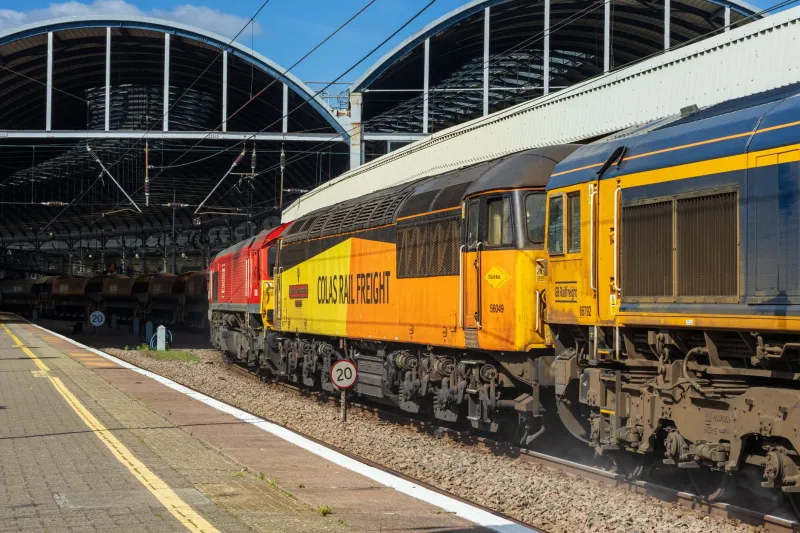
A station garden is a quietly subversive thing. It says that this place is not only somewhere to leave from, but somewhere to linger. On rural lines especially, volunteers have taken over the odd strip beside the buffer stops, the old goods yard edge, the waiting-room window box, and turned them into herb beds, orchards and wildflower patches. You do not need a car to see them. You need a train, a bit of patience and the willingness to miss one service on purpose.
These are not formal gardens. They are civic projects, often maintained by station adoption groups, community rail partnerships and the kind of people who arrive with a trowel and a flask. They change with the seasons and with volunteer energy, so treat this as a guide to a good day out rather than a guarantee of every single plant. Check the station group's page before you travel, and always check the train times first. Rural timetables are the real gatekeepers here.
Todmorden: herbs beside the Calder Valley
Todmorden station has long been a useful example of what a platform can become when someone starts planting. The Incredible Edible idea took root in the town and the station has carried some of that spirit, with herbs and edible bits in beds that sit oddly and rather wonderfully against the brick and the announcements. It is not a show garden. It is a help-yourself sort of place, which is exactly the point.
The station sits on the Calder Valley line, with Northern services linking Manchester Victoria, Rochdale, Hebden Bridge, Halifax and Leeds. It is a straightforward car-free day: step off, look at the beds, then walk into town for the market and a brew. The market is the practical anchor here, and the canal is the gentle escape route if you want to stretch the day. Spring and early summer are the best bet for the beds, but autumn has its own allotment honesty: seed heads, tired leaves and the sense that someone has already started planning next year.
Hebden Bridge: the platform that became a border
Hebden Bridge is the kind of station where the garden does not shout. It sits in the borders, in the planters, in the small green interruptions between the shelter and the platform edge. The Friends of Hebden Bridge Station and local volunteers have kept the place looking cared for, which matters more than any grand design. It is a station garden in the best sense: a softening of the edges.
Trains run on the same Calder Valley corridor, so it is easy to pair with Todmorden or use as a base for a slow afternoon. The town is full of independent cafés and bookshops, and the walk along the canal towards Mytholmroyd is a fine way to earn a second cup of tea. Access is generally easy from the platforms, though the station has the usual old-station quirks. Visit in late spring for the freshest green, or in September when the borders have that straggly, generous look that only a volunteer garden can get away with.
Settle: a herb garden with a signal box view
Settle is a Settle-Carlisle line station, and the railway already does most of the work of making the day feel like an event. The station garden adds a gentler note. There are planted beds and picnic-friendly corners, and the whole place has the air of a station that knows it is a destination as well as a stop. The signal box and the long platform give it a proper railway atmosphere.
Trains run between Leeds and Carlisle, with the famous line climbing away into the Dales. Settle itself has cafés, pubs and a market square, and the walk up to the viewpoint at Castlebergh is short enough to fit around a train. The garden is at its best from late spring to early autumn, when the platform beds are doing something and the weather is on your side. If you are coming for the garden alone, check that the station is not enjoying one of its quieter horticultural moments. If you are coming for the day, the garden is a bonus rather than the whole point.
Appleby: wildflowers before the fells
Appleby station is another Settle-Carlisle stop, and it has the advantage of sitting at the edge of a town that rewards a wander. The station garden here is a modest, volunteer-led affair, with planting that suits the exposed edge of the Eden Valley. It is not the sort of place to make a special trip for in isolation, but as part of a car-free day it works beautifully: train, garden, town, tea, and maybe a short river walk before the return service.
Appleby has cafés and pubs in the town centre, and the castle is a fair-weather extra. The station itself is a short walk from the centre, so you can build a day without needing a bus. Late spring is good for fresh growth; high summer brings the hanging baskets and the busier trains. Autumn can be lovely too, especially if you catch the line in low light. Just do not assume the garden will be at its peak in midwinter. Nothing here is a municipal bedding scheme.
Llanwrtyd Wells: the Heart of Wales plot
Llanwrtyd Wells sits on the Heart of Wales line, which is one of the great slow railways of Britain. The station garden is small, community-minded and entirely in keeping with a town that has made a virtue of being slightly off the main road. You get off, the train drifts away, and the platform feels like a place rather than a pause.
The line links Shrewsbury and Swansea, but the service is not frequent. That is part of the charm and part of the planning. Arrive with a walk in mind, or book lunch at one of the town's pubs and let the timetable set the pace. The Neuadd Arms is the obvious traditional stop, and there are cafés and small shops in the town. Spring and summer are the best seasons for the garden and for the surrounding lanes. Access from the platform is straightforward, but the town is a short walk uphill. If you are relying on a connection, leave more margin than you think you need.
Lealholm: the Esk Valley stop with a vegetable patch
Lealholm is on the Esk Valley line, between Middlesbrough and Whitby, and it is one of those stations that feels almost too pretty to be doing a job. The station garden here is a proper little plot, with vegetables and flowers that fit the village setting. The Esk Valley Railway Development Company and local volunteers have done good work on these stops, and Lealholm is a fine example of how a rural platform can become a small community asset.
Trains are infrequent, so this is a day out for people who like a timetable with room in it. The village has a pub, The Board Inn, and a river walk that is short enough for a between-trains potter. Spring is the season for seedlings and fresh green; summer brings the fuller beds and the chance of a picnic. The station is not step-free in every direction, so check access if that matters to you. And do not miss the train. The next one is not a bus.
Making a day of it
The practical rule with station gardens is simple: the train is the day. Pick one line, choose two stops if the timetable allows, and leave the rest to the platform. The Calder Valley line is the easiest for a first go, because the services are relatively frequent and the towns are close together. The Settle-Carlisle and Heart of Wales lines reward a more deliberate approach, and the Esk Valley line is for a long, quiet day rather than a quick dash.
Late spring and early summer are the best all-round seasons for station gardens, with September a close second. Winter is for structure, evergreen planting and the pleasure of a station that is still cared for when nobody is looking. Take a flask, buy the tea in town where you can, and remember that these plots are looked after by volunteers. Admire them, photograph them, and leave the broad beans for somebody else's dinner.